

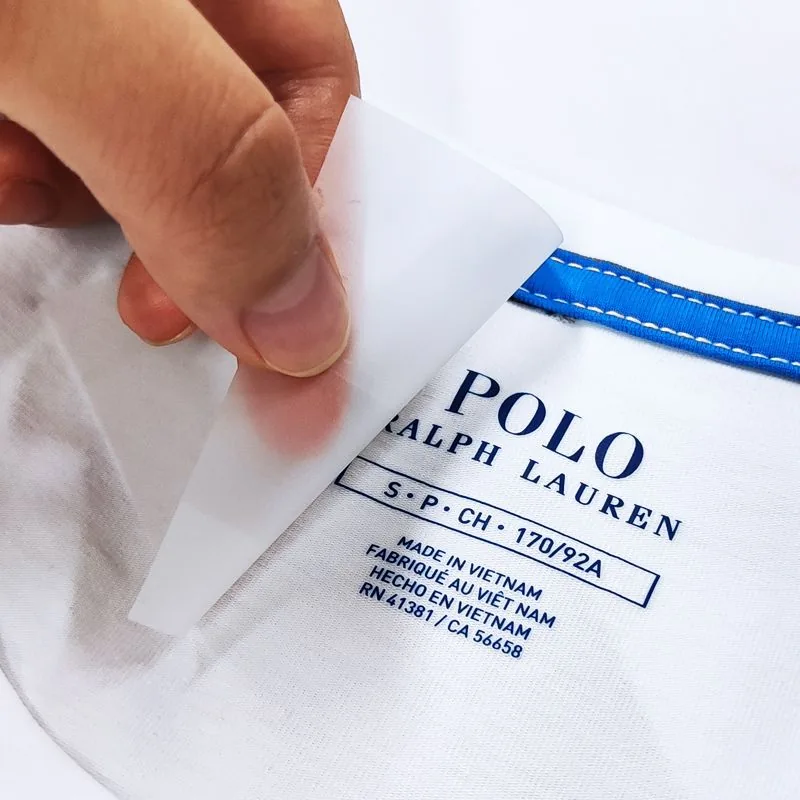
Ein Transferetikett klebt mit der Heißpresse auf Stoff, ohne Naht. Es wird für nahtlosen Hals, Saum und Lingerie gewählt.
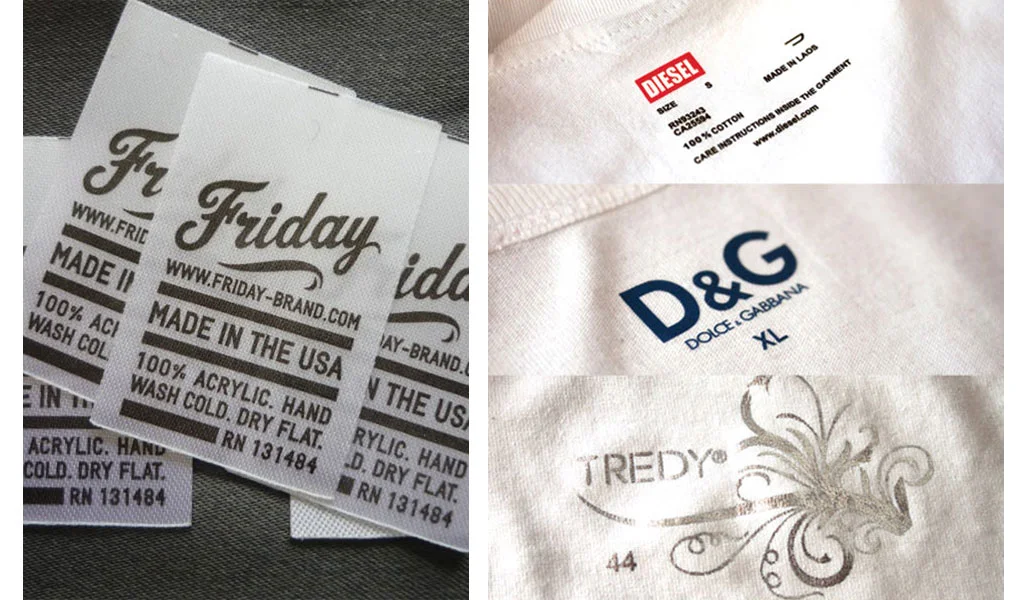
Also called a heat-transfer or transfer-print label, this method can be reviewed for brand name, logo, size information and product marks on textiles.
Where are heat-transfer labels used?
With suitable materials and application conditions, heat-transfer labels can be used on different textiles:
- T-shirts and sportswear
- Underwear
- Children’s wear
- Sports apparel
- Products where the brand logo sits on the fabric
Which fabrics and products are suitable depends on the transfer material and application method.
Key feature of heat-transfer labels
Sewn labels sit as a separate fabric or woven piece on the product. In heat transfer, the design is applied directly to the product surface under the right conditions.
This method can be preferred when a separate ticket look is not wanted. Success still depends on fabric type, transfer material, temperature, pressure and dwell time.
What to check when choosing a heat-transfer label
First review the fabric structure and how the product will be used. Type size, colours and application area also affect the result.
Testing application and wash performance on a suitable sample before bulk helps confirm the method fits the product.
FAQ: How does a heat-transfer label differ from a woven label?
A woven label is formed by weaving yarns and is usually sewn on. A heat-transfer label is applied to the fabric surface with a suitable transfer method. The choice follows product design and use needs.
For transfer labels, fabric type, design and use conditions should be reviewed together — see our heat transfer product page.
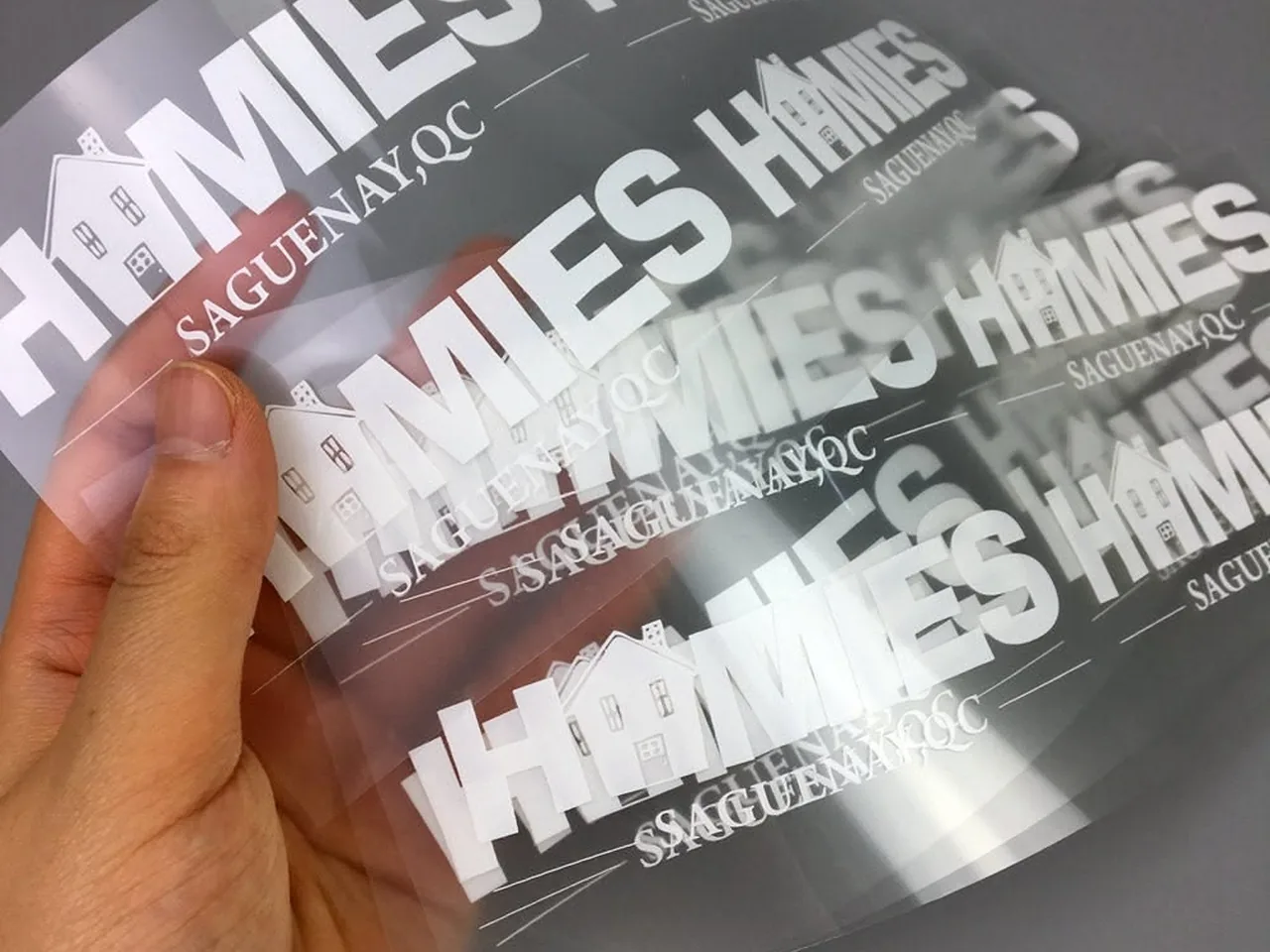
- Transferdruck
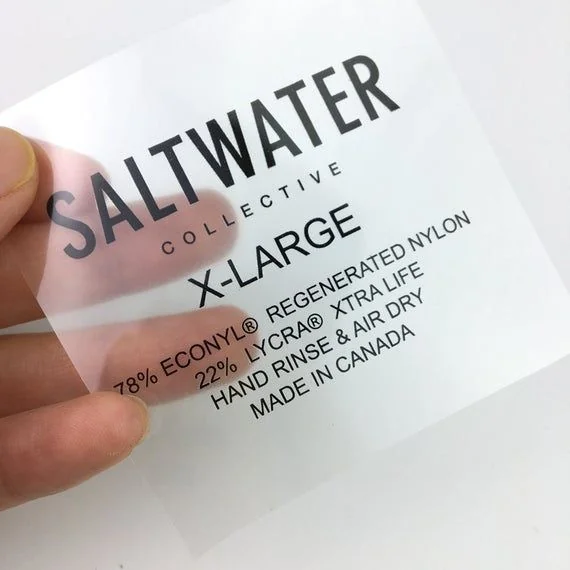
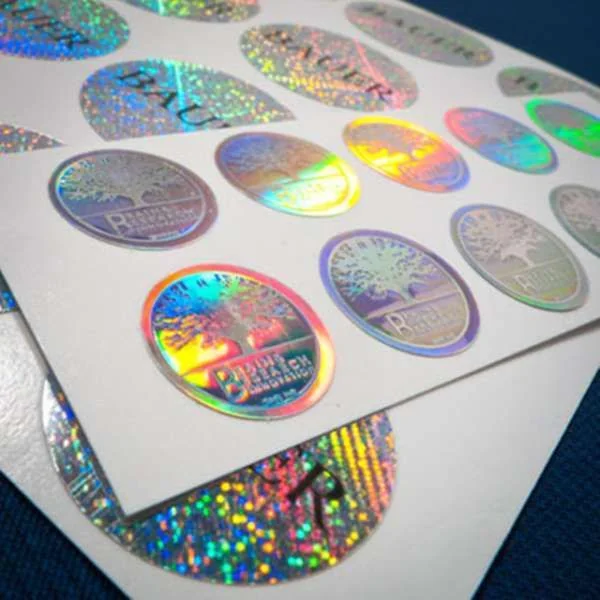
 Transferdruck