
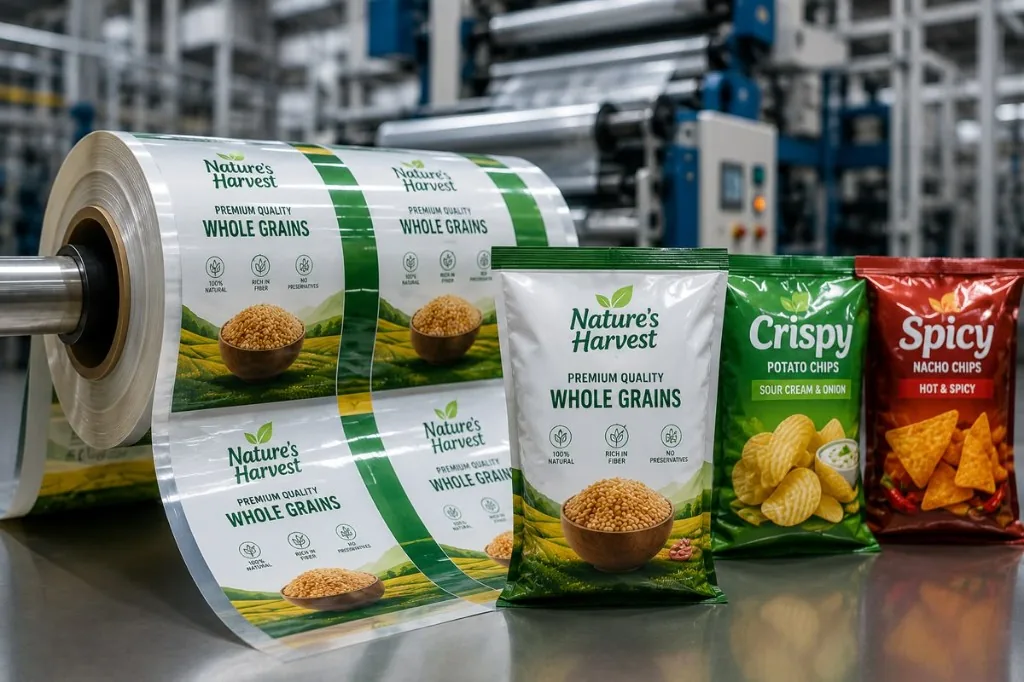
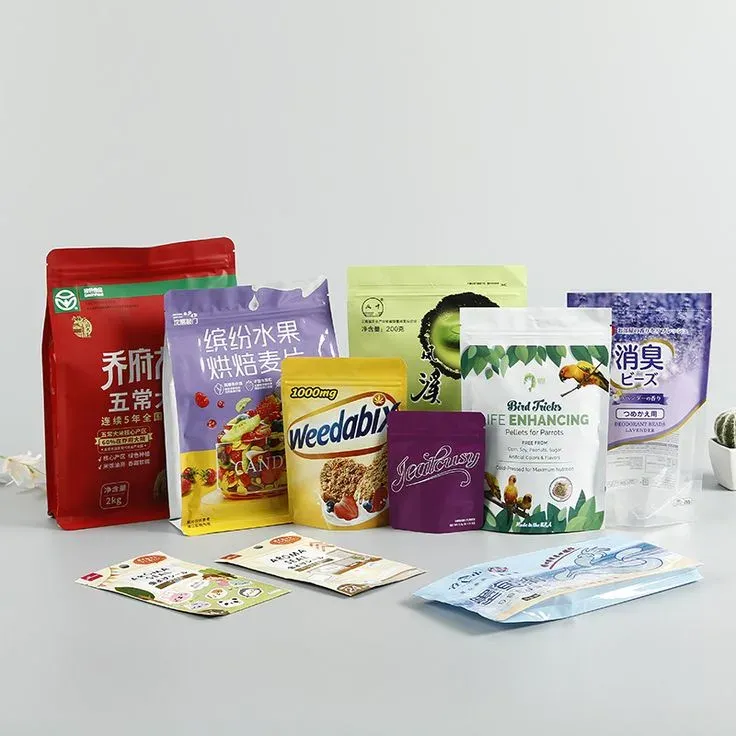
Гибкая упаковка — тонкие слои плёнки, ламинированные и сформированные в пакеты или рулоны. Дойпак, подушка и окно печатаются в Стамбуле на BG Label.
This pack type is designed for how the product is packed, moved and sold. Material and layer structure shape both look and function.
Where is flexible packaging used?
Flexible packs can be used across sectors to pack and present products:
- Food and snack products
- Coffee, tea and dry-food packs
- Cosmetics and personal care
- Household cleaning products
- Single-serve or portion packs
- Packs for various industrial goods
Not every product needs the same pack. Contents, storage, filling method and how the pack is used are the main drivers of material choice.
Material choice in flexible packaging
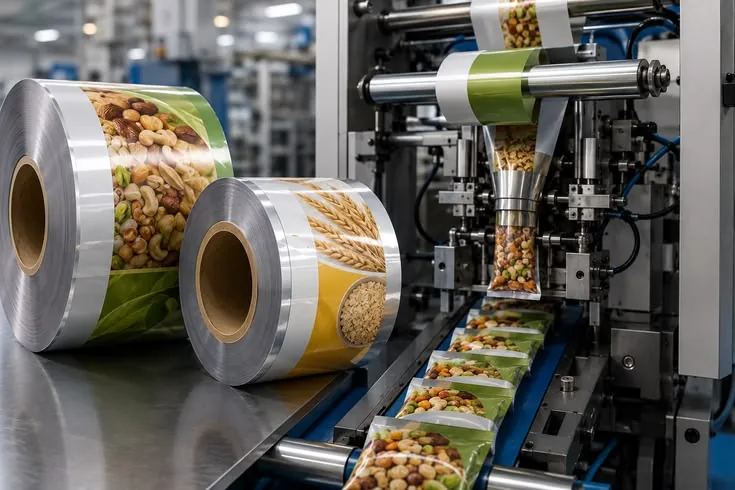
Production can use different plastic films, paper and metallised faces. In some jobs several materials are laminated together.
When choosing material, review which product the pack is for, storage conditions, how it is filled and how it is closed. For food or chemical products, fitness must be confirmed against technical requirements.
Print and visual design on flexible packs
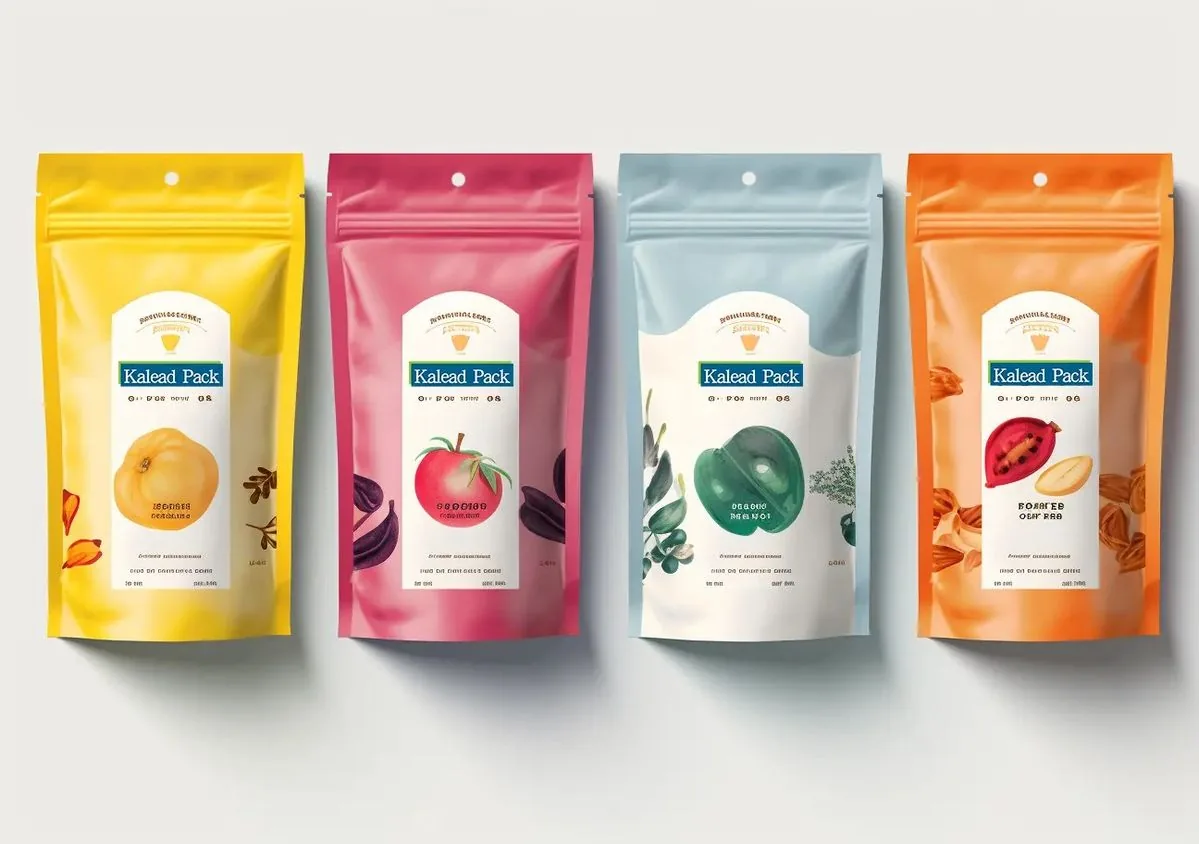
Brand name, product facts and graphics on the pack affect shelf presentation. Print method, colours, type readability and pack shape should be planned together.
Artwork should also respect fold, cut and seal areas so important copy and images do not land in those zones.
FAQ: Are flexible packaging and laminated packaging the same?
No. Flexible packaging is the general term for packs that bend or fold. Laminated packaging means two or more material layers joined together. Lamination can be one method used inside flexible packaging production.
For flexible packaging needs, product properties, pack sizes and print requirements should be reviewed together — see our flexible packaging product page.
- Гибкая упаковка
 Гибкая упаковка