
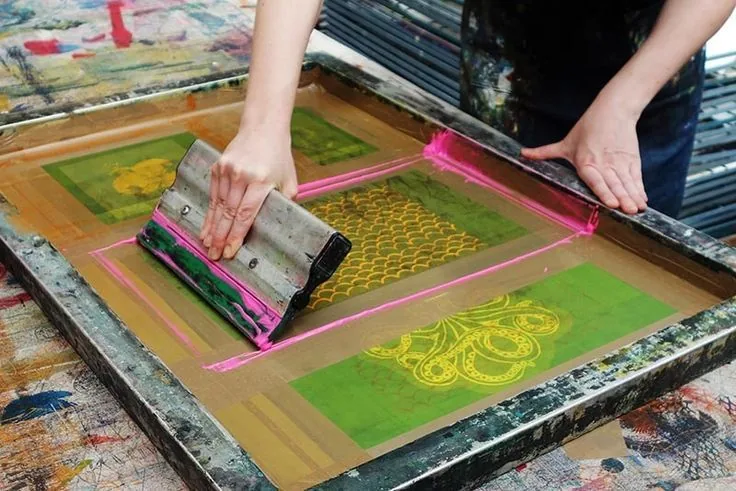
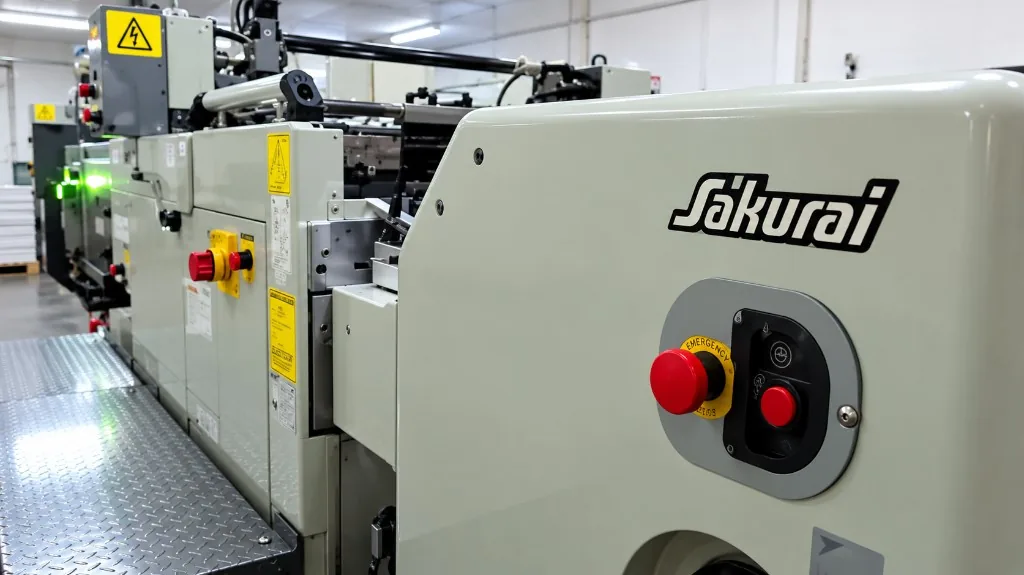
Siebdruck überträgt jede Farbe durch eine eigene Schablone. Auf Sakurai deckt er Glas, Metall, Stoff und dichte Flächen.
Screen printing is assessed against the design and the substrate. Ink, surface and print conditions shape the result.
Where is screen printing used?
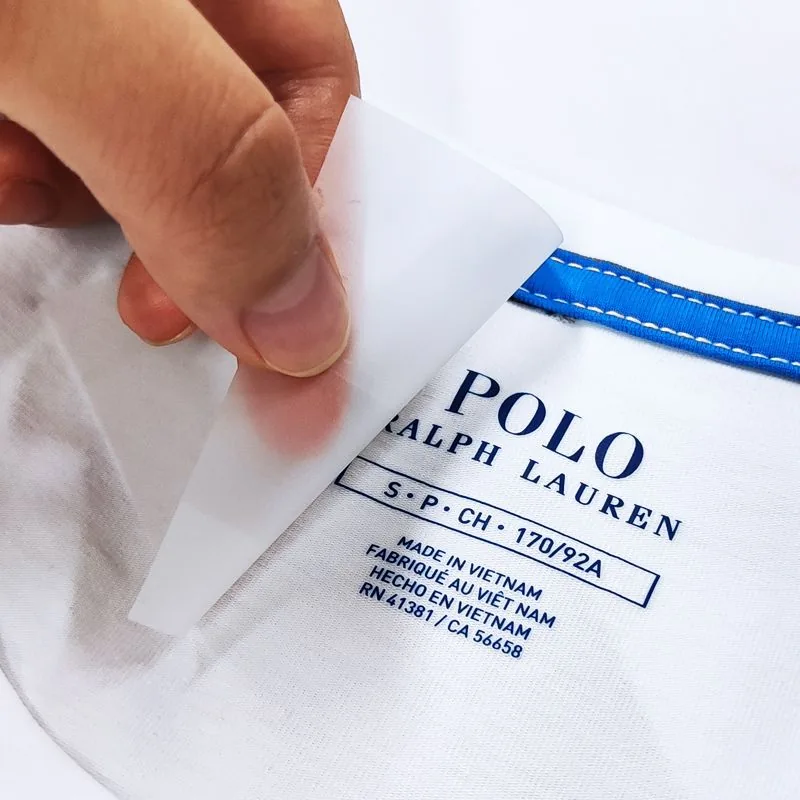
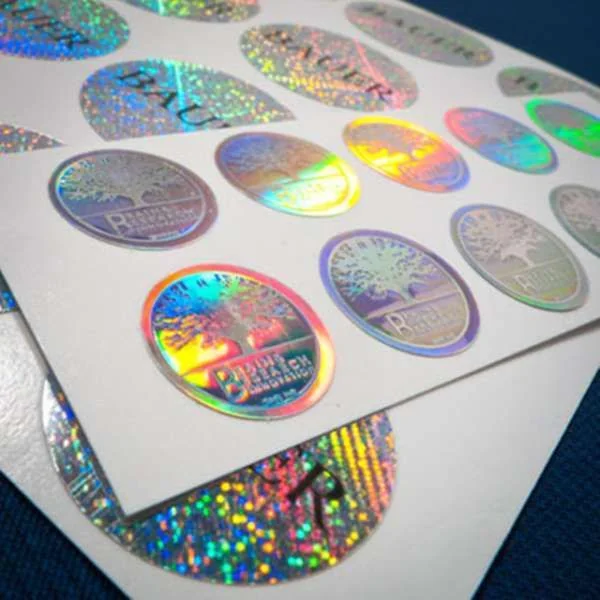
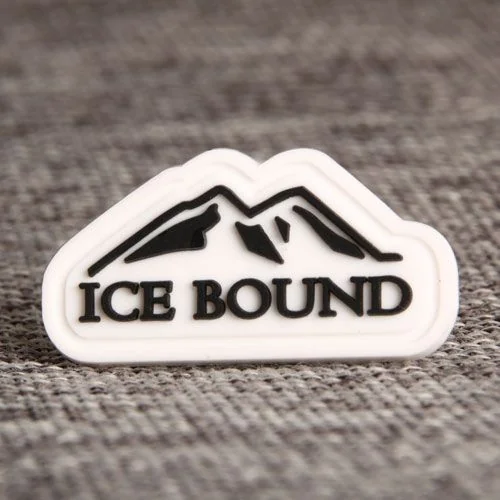
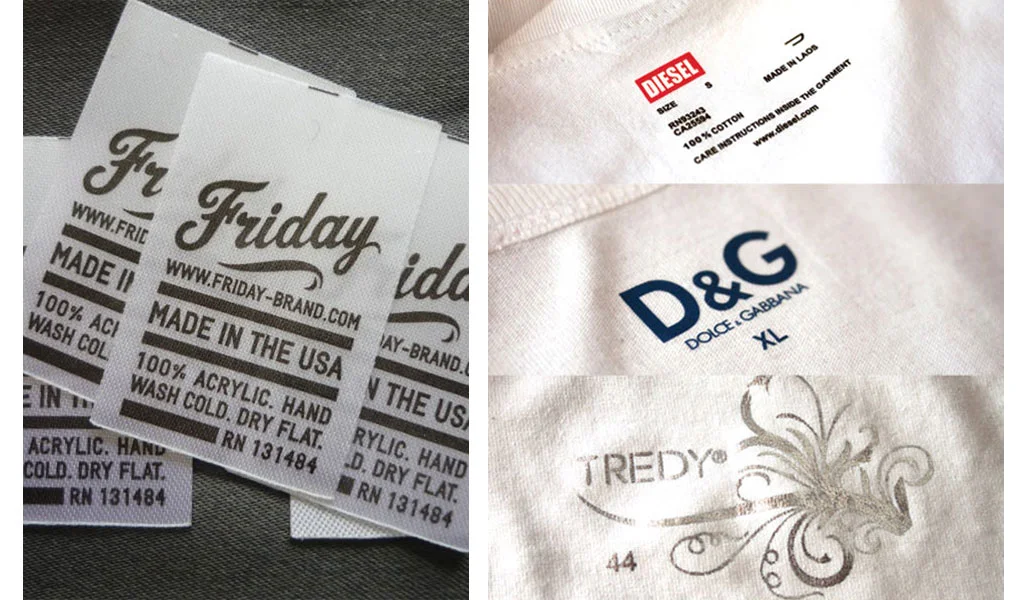
With suitable production conditions, screen printing can be used on different products and materials:
- Labels and printed products
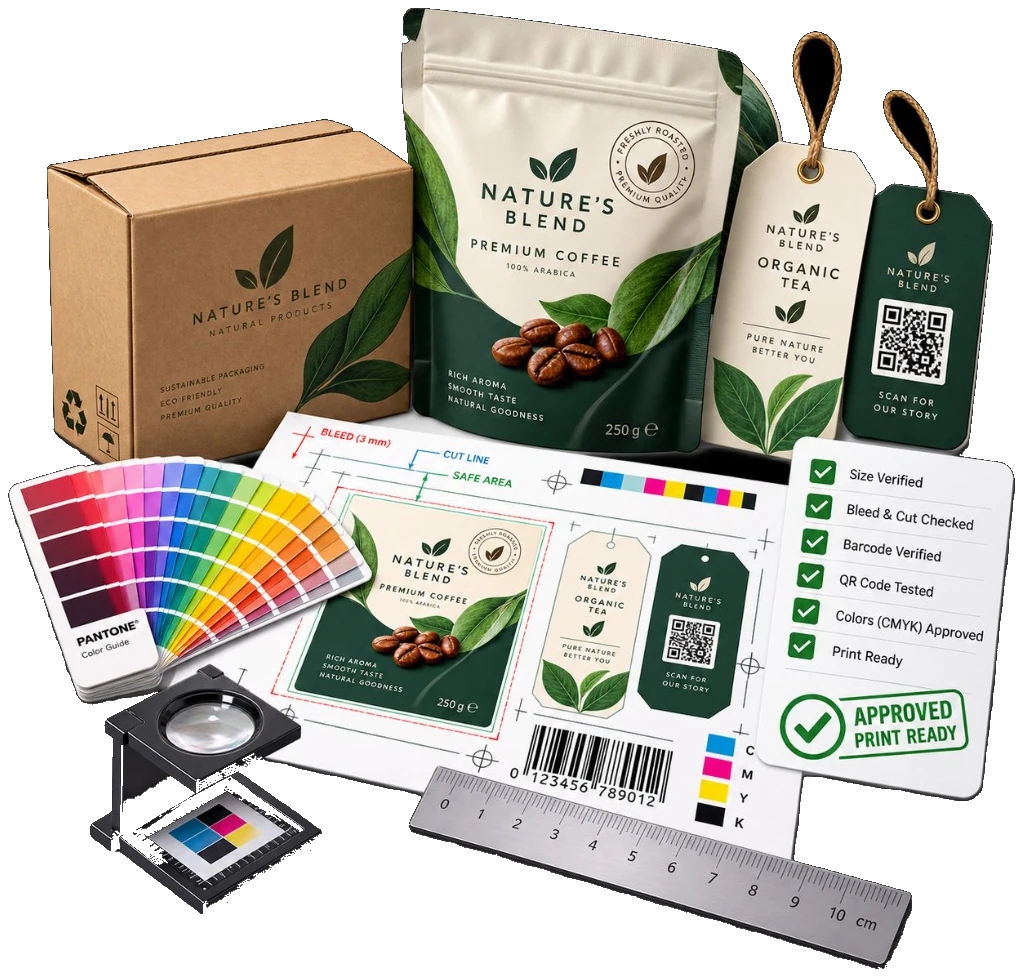
- Packaging applications
- Selected plastic and paper surfaces
- Promotional and display items
- Surfaces that need special printing
Not every surface can use the same ink or settings. Material type and end use should be set before production.
How is screen printing done?
A stencil matched to the design is prepared first. Ink passes through the open areas onto the print surface. Drying or curing may also be needed depending on the material.
Because the stencil must be prepared and set up, the production plan can be affected by colour count and order quantity.
How screen printing differs from other methods
Screen printing differs in how ink is transferred to the surface. Which method fits better depends on substrate, design, colour needs, run size and expected look.
Screen printing is therefore not automatically the best method for every product. It should be reviewed alongside alternatives before production.
FAQ: Can screen printing be applied to every material?
No. Surface structure, ink and equipment determine what is possible. Suitability should be checked against the product.
For a screen-print need, define surface type, print area and quantity — see our screen printing product page.
- Siebdruck
 Siebdruck